
Week 1
PROJECT — Creating a Magazine (The Taming of the Shrew)
Take quiz
The Taming of the Shrew is a comedy by William Shakespeare, believed to have been written between 1590 and 1592. The play tells the story of Petruchio, a wealthy man who marries Katherine, a strong-willed and sharp-tongued woman, in order to tame her. Through a series of comical events, Petruchio is able to “tame” Katherine, and the play ends with her giving a speech in which she extols the virtues of obedience and submission.
Possible discussion questions:
- How does the play depict the relationship between men and women?
- What is the play’s attitude towards Katherine’s “shrewish” behavior?
- What is the play’s attitude towards Petruchio’s methods of taming Katherine?
- How does the play depict the theme of appearance vs reality?
- How does the play use humor to comment on serious issues?
- What is the play’s message about love and marriage?
- How does the play use language to convey meaning?
- How does the play comment on the role of women in society?
- What is the significance of the Induction and the framing device in the play?
- How does the play use the concept of disguise and disguise characters?
Week ?
Introduction to Shakespeare
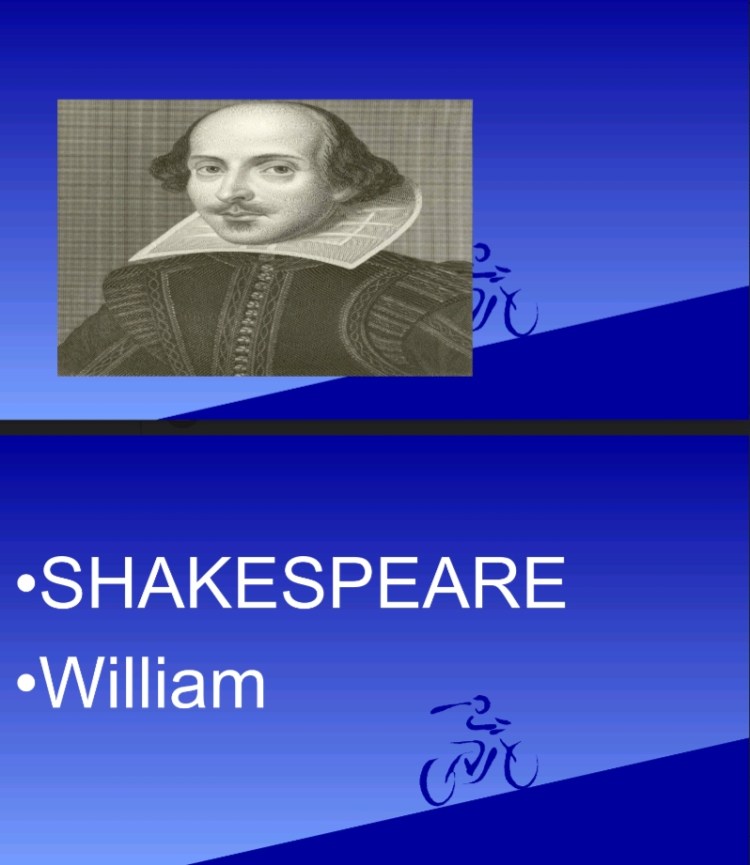




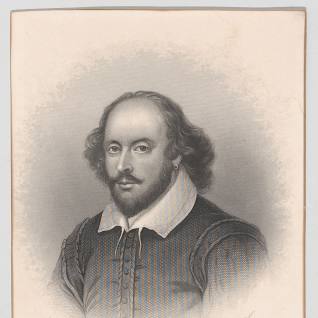
William Shakespeare (Born 23 April, bapt. 26 April 1564 – 23 April 1616)
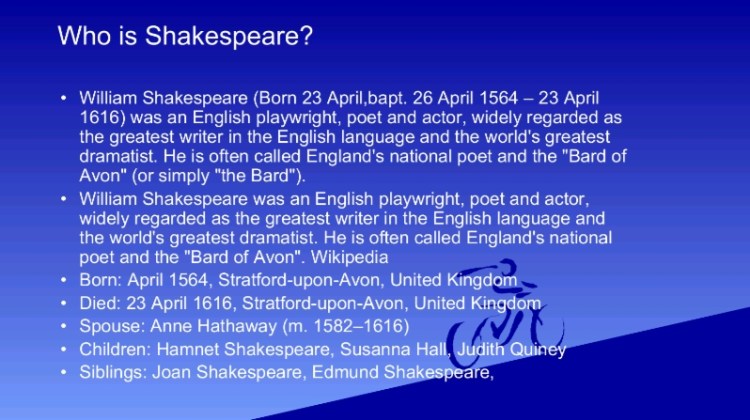
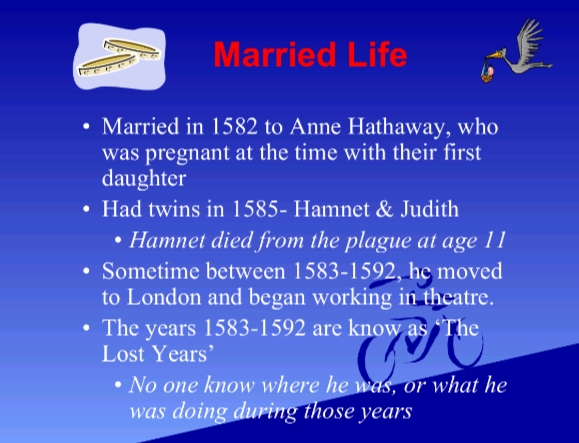
William Shakespeare is widely considered to be one of the greatest playwrights in the history of literature. He was born in 1564 in the town of Stratford-upon-Avon in Warwickshire, England and died in 1616 at the age of 52. He was the third of eight children and the eldest son of John Shakespeare, a successful glover and local official, and Mary Arden, a landed heiress. Not much is known about Shakespeare’s childhood or education, but it is believed that he attended the local grammar school and had a good education in the classics. He married Anne Hathaway in 1582 and had three children with her.
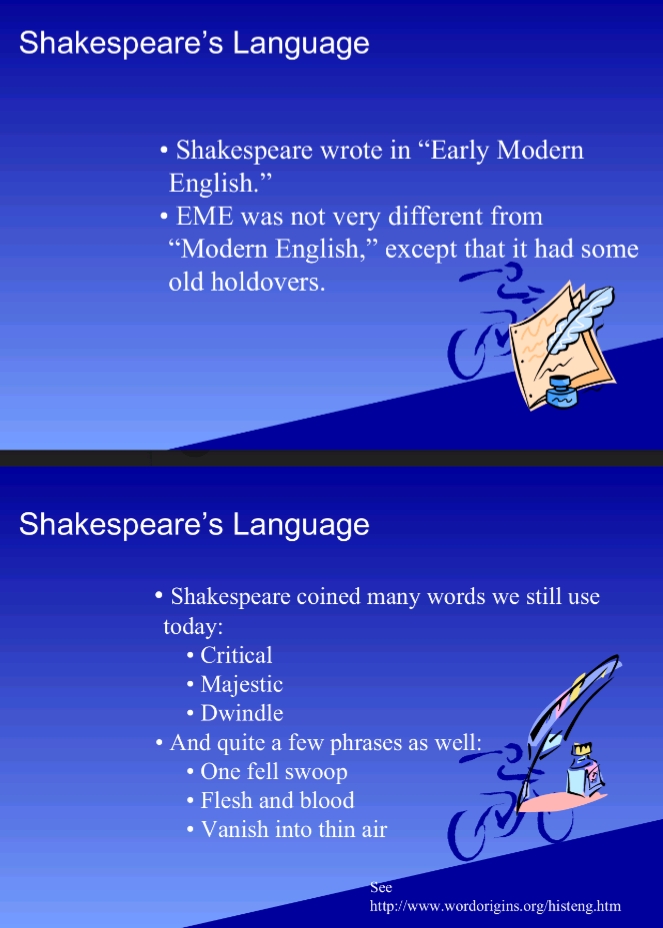
Shakespeare was an English playwright, poet and actor, widely regarded as the greatest writer in the English language and the world’s greatest dramatist. He is often called England’s national poet and the “Bard of Avon” (or simply “the Bard”). Shakespeare wrote plays that were performed in London’s theaters during the late 16th and early 17th centuries. His plays are still performed and studied today, and are considered some of the greatest works of literature in the English language.
Facts about Shakespeare:
- He was an actor and playwright
- Born: April 1564, Stratford-upon-Avon, United Kingdom
- Died: 23 April 1616, Stratford-upon-Avon, United Kingdom
- Spouse: Anne Hathaway (m. 1582–1616)
- Children: Hamnet Shakespeare, Susanna Hall, Judith Quiney
- Siblings: Joan Shakespeare, Edmund Shakespeare,
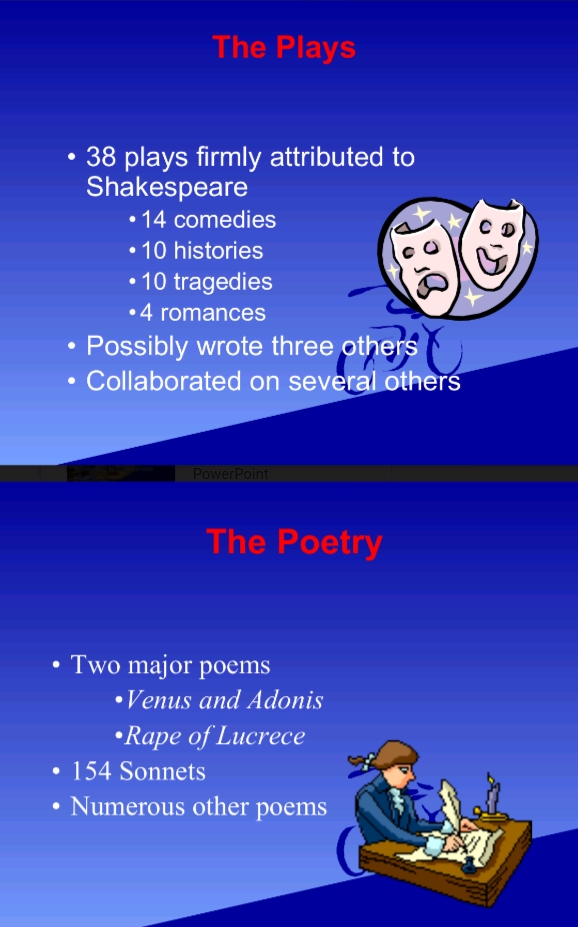
- He wrote 38 plays
- He wrote sonnets
- He wrote plays for both the Globe and Blackfriars Theatres
- He wrote in a variety of genres including tragedy, comedy, and history
List of Shakespeare’s works:
Tragedies: These plays typically focus on a central character or characters who experience a tragic downfall due to their own flaws or the actions of others. They often contain themes such as love, jealousy, ambition, and betrayal. Examples of Shakespeare’s tragedies include Hamlet, Romeo and Juliet, and Macbeth.
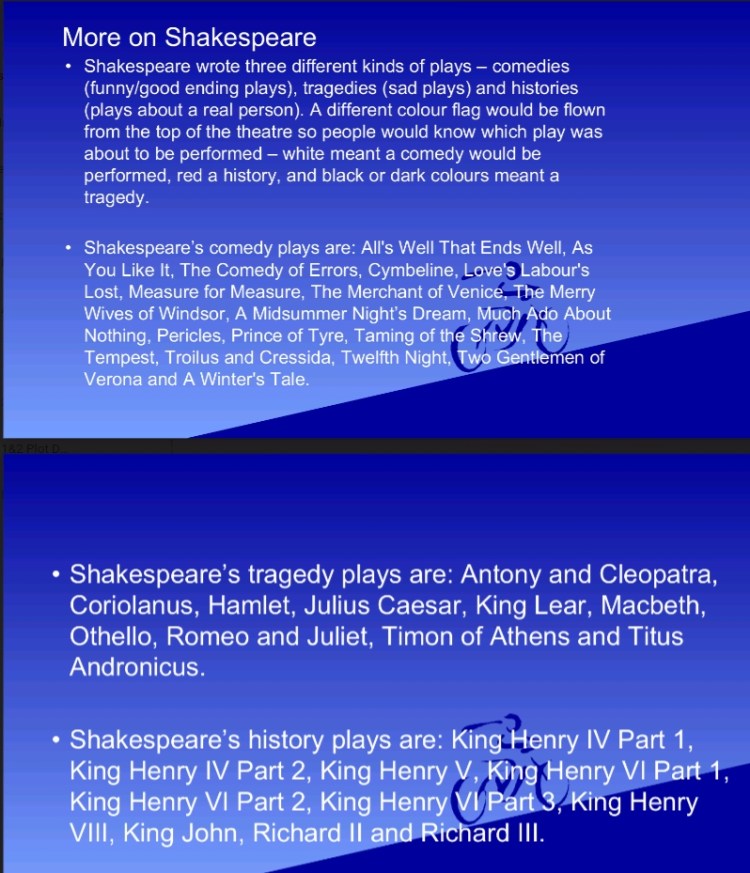
Shakespeare’s tragedy plays are: Antony and Cleopatra, Coriolanus, Hamlet, Julius Caesar, King Lear, Macbeth, Othello, Romeo and Juliet, Timon of Athens and Titus Andronicus.
Comedies: These plays are characterized by their light-hearted and humorous tone, and often feature themes of love and courtship. They often have a happy ending in which the central characters are united and any conflicts are resolved.
Shakespeare’s comedy plays are: All’s Well That Ends Well, As You Like It, The Comedy of Errors, Cymbeline, Love’s Labour’s Lost, Measure for Measure, The Merchant of Venice, The Merry Wives of Windsor, A Midsummer Night’s Dream, Much Ado About Nothing, Pericles, Prince of Tyre, Taming of the Shrew, The Tempest, Troilus and Cressida, Twelfth Night, Two Gentlemen of Verona and A Winter’s Tale.
Histories: These plays are based on historical events and figures, and often depict the political and social landscape of England during the Middle Ages. Examples of Shakespeare’s histories include Richard II, Henry IV, and Henry V.
Shakespeare’s history plays are: King Henry IV Part 1, King Henry IV Part 2, King Henry V, King Henry VI Part 1, King Henry VI Part 2, King Henry VI Part 3, King Henry VIII, King John, Richard II and Richard III.
A different colour flag would be flown from the top of the theatre so people would know which play was about to be performed – white meant a comedy would be performed, red a history, and black or dark colours meant a tragedy.
The Renaissance: (The period Shakespeare wrote) is the revival of European art and literature under the influence of classical models in the 14th–16th centuries. The culture and style of art and architecture developed during the Renaissance.
In conclusion, Shakespeare is a literary giant whose works are still widely performed and studied today. His plays are diverse in genre and themes, and have had a lasting impact on literature and culture. With this lesson, students should have a basic understanding of Shakespeare, his works, and the different genres of plays he wrote.
Shakespeare’s History:
In the late 16th century, Shakespeare moved to London to pursue a career in the theater. He quickly established himself as a successful playwright, actor, and shareholder in the Lord Chamberlain’s Men, one of the leading theater companies of the time. He wrote 38 plays and 154 sonnets, many of which are considered masterpieces of English literature.
Shakespeare’s Poems:
In addition to his plays, Shakespeare also wrote a collection of 154 sonnets, which were first published in 1609. The sonnets are written in a specific form, consisting of 14 lines with a rhyme scheme of abab cdcd efef gg. They cover a variety of themes, including love, beauty, aging, and the nature of art. Some of the most famous sonnets include Sonnet 18, which begins “Shall I compare thee to a summer’s day?”, and Sonnet 116, which begins “Let me not to the marriage of true minds.”
Shakespeare’s poetry, like his plays, is still widely studied and admired for its beauty and insight into human nature. It has had a lasting impact on poetry and literature, and many poets and writers have been influenced by his work.
MORE
 Fife _Oba Success